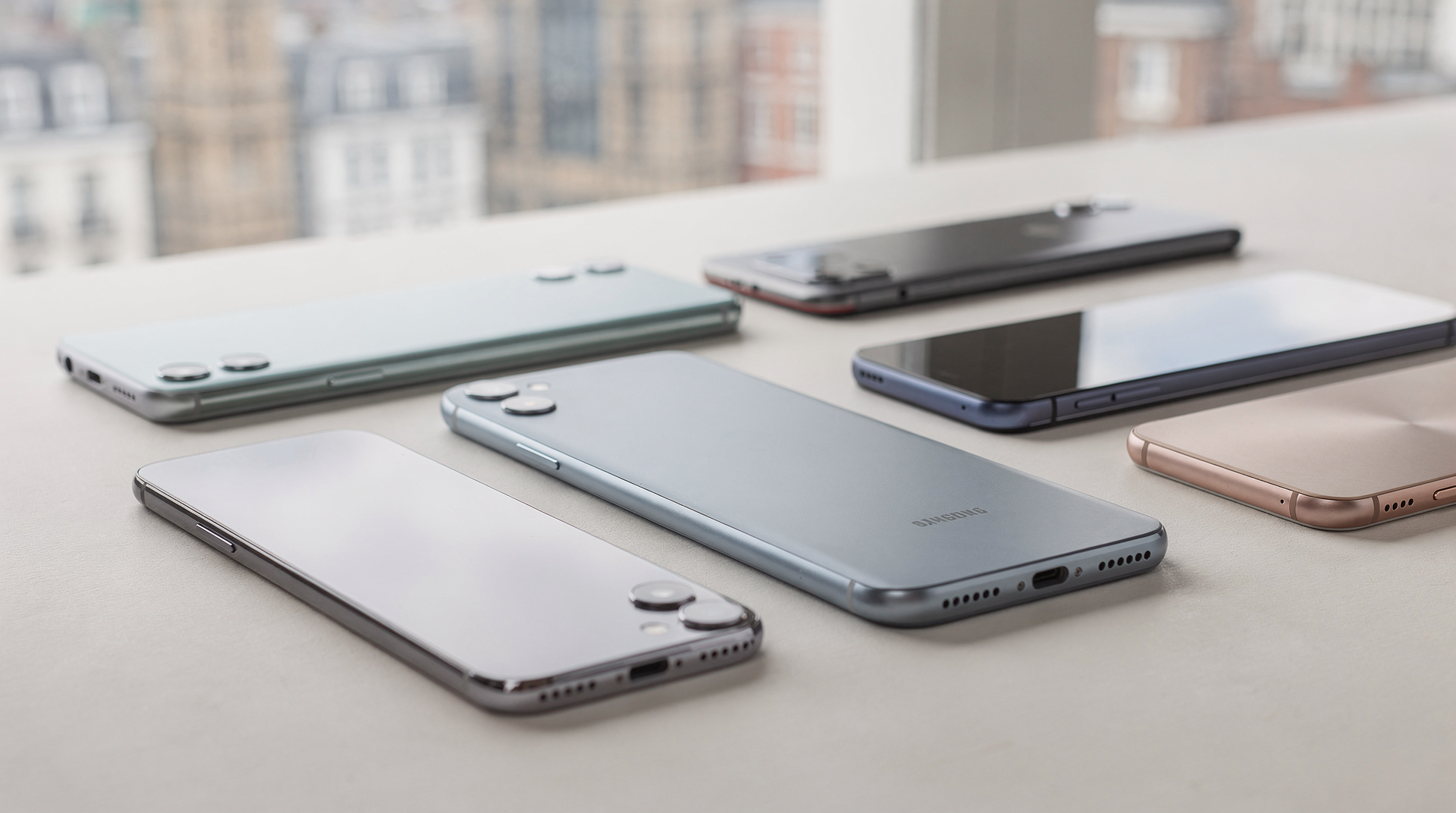
Walk into any UK electronics shop or scroll through Amazon, and you’ll find budget smartphones no longer carry the stigma of being unusable after six months. The segment has matured so rapidly that the real question isn’t “Can I get a cheap phone?” but “Which cheap phone actually matches how I live?” The challenge is now one of choosing the right tool for your particular mix of messaging, streaming, snapping photos, or simply squeezing out every last drop of battery life, rather than finding any handset that powers on.
What “budget smartphone” really means in 2026
A budget smartphone in 2026 is not just the lowest-priced rectangle you can grab off the shelf. It’s a device built around sensible sacrifices—ones that let you enjoy modern essentials without bleeding your wallet. Where older cheap phones cut corners everywhere, today’s best budget handsets choose their battles. They invest in what you use every minute (display, battery, software fluidity) and compromise on what you can work around (gaming horsepower, secondary cameras, premium build materials). In London and beyond, I’ve watched this category shift from “barely adequate” to “genuinely capable” in the span of a few product cycles.
Typical budget phone expectations today:
- enough performance for messaging, browsing, streaming, and light gaming—think smooth Google Maps navigation while Spotify streams in the background without stuttering
- a battery that takes you from morning alarm to bedtime without anxiety
- a screen that remains readable when UK sunshine finally makes an appearance
- a camera that can handle daylight snaps with consistent colours and focus
- software support that keeps the phone safe and current for more than a year, not just a few months
The sweet spot now is a middle ground: these aren’t flagship killers, but they certainly don’t feel disposable.
How budget smartphones have evolved
The journey from disappointment to delight has happened in three rough stages. Having tracked this market across a decade, I’ve seen each step reshape what people expect from a sub-£350 device.
1. Entry-level era: cheap but frustrating
You know the types: sluggish chipsets that choked on a few Chrome tabs, cameras that turned sunsets into watercolour smudges, and updates that never came. They worked, technically, but every interaction reminded you that you’d spent less money. I remember testing models around 2018 where launching the camera felt like a dare—miss the moment, wait five seconds, and then get a blurry shot anyway.
2. Value era: one or two standout strengths
Manufacturers realized they couldn’t fix everything at once, so they started to specialise. Some phones arrived with enormous 5,000 mAh batteries that lasted two days. Others offered surprisingly decent cameras in good light. A few stood out for near-stock Android with little bloatware. This fragmentation turned “best budget phone” into a meaningful question: buyers could match a phone to their personal priorities rather than settling for a grey blob.
3. Current generation: balanced all-rounders
Now, the top budget contenders in the UK manage to do most things well. We’re seeing large AMOLED or high-refresh LCD panels, efficient mid-range chipsets (Snapdragon 4-series, MediaTek Dimensity 7000 families), and 5G connectivity as standard in many models. Fast charging has trickled down, and software promises stretch to three or four years of security patches, not just one. This doesn’t mean every cheap phone is good—far from it. It means the buying decision has shifted from survival to wise trade-off selection.
Best budget smartphones in the UK right now: the shortlist
Prices dance week to week, so I recommend thinking in categories rather than fixating on a single model. The table below captures the core types that repeatedly emerge as sensible purchases when you’re shopping at UK retailers.
| Phone type | Best for | What to expect | Main trade-off |
|---|---|---|---|
| Mainstream budget all-rounder | Most people | Balanced performance, decent battery, solid display | Camera and gaming are only average |
| Camera-focused budget phone | Social photos and daylight shots | Better image processing and sharper photos | Slower performance or shorter support |
| Battery-first model | Heavy daily use | Very long endurance and good charging | Bulky design or weaker display |
| Clean-software model | Simple, low-stress use | Fewer preinstalled apps and easier navigation | Fewer premium extras |
| Older mid-range on discount | Best value if on sale | Better hardware than many current budget phones | You need to check age and update support |
What matters most when buying a cheap phone
When the price cap is firm, you can’t have everything. The art is knowing which features will genuinely improve your daily experience. Here’s what I zero in on after years of testing budget devices.
Performance: enough speed, not benchmark bragging rights
Don’t ask “Is it fast?”—ask “Does it stay smooth when I’m juggling real life?” A good budget phone should handle WhatsApp, email, and calls without lag; Chrome-style browsing with half a dozen tabs; maps and banking apps running side by side; and casual games like Candy Crush or Among Us without turning into a hand-warmer. If you multitask heavily or crave console-grade mobile gaming, step up a price bracket. Today’s budget silicon—think MediaTek Dimensity 6100+ or Snapdragon 4 Gen 2—is built for efficiency, not raw horsepower, and it shows in the way apps open and scroll.
Battery life: the hidden deciding factor
Across the UK, commuters in London, Manchester, or Edinburgh all share the same 5 p.m. panic: a battery slipping into the red. A phone with an average display and an average camera can still feel brilliant if it soldiers through a full day without needing a top-up. Look for cells of 4,500 mAh or above where possible, coupled with efficient chipsets. Real-world reviews matter more than lab numbers—some phones that claim 25W charging still take two hours to fill because of poor charging curves. If you’re often out of the house, consistent endurance beats a slightly brighter screen every time.
Display: the thing you stare at all day
Your eyes spend hours locked onto this panel, so don’t underestimate its quality. OLED or AMOLED screens deliver deeper blacks and richer contrast, making videos and photos pop—even on a £200 device. LCD panels tend to be cheaper and can sometimes offer impressive brightness without the risk of burn-in. A 120Hz refresh rate makes scrolling through Twitter or web pages feel fluid, but it’s not essential for everyone. What surprises many buyers is how much outdoor brightness matters: UK daylight, even when grey, can wash out a dim display, so choose a phone tested at 500 nits or more if you often read outside.
Camera: know what “good” means in budget land
Budget cameras live and die by daylight. In good light, a well-tuned sensor can produce shots you’d happily share on Instagram. Expect accurate skin tones, reliable focus, decent HDR for sky-and-shadow scenes, and acceptable indoor photos without heavy blur. What to avoid: marketing that screams “108MP” from a tiny sensor, phones whose sample images only shine in press kits, and lenses tacked on just to inflate the count. Processing software and sensor size matter far more than megapixels here. Check Flickr groups or YouTube comparisons to see what the camera actually delivers in grey, typical UK light—not just in a sunlit studio.
Software support: the overlooked long-term cost
I’ve seen £150 phones turn into electronic waste after 18 months because the manufacturer abandoned updates. A cheap phone becomes expensive when security patches stop arriving. Before buying, dig out how many years of Android or iOS updates are promised and how long security patches will continue. Some brands now offer three or four years of security cover; others clock out after two. For anyone who plans to keep a device beyond a couple of years, software support directly influences resale value, data safety, and whether the phone will still feel responsive 24 months later. Don’t let the low upfront price blind you to the back-end cost.
Which budget phone type suits which user?
Matching a phone to your daily habits removes most of the guesswork. Use the table below as a starting point, then layer in your own must-haves.
| User type | Best priority | What to buy |
|---|---|---|
| Student | Battery and reliability | Balanced budget all-rounder |
| Casual user | Simplicity | Clean-software model |
| Social media user | Front camera and display | Camera-focused budget phone |
| Heavy commuter | Battery and charging | Battery-first model |
| Long-term owner | Updates and durability | Model with strong support |
Common mistakes people make when buying budget phones
Over and over, I see shoppers fixate on one spec while ignoring the experience that actually unfolds after a few weeks. Sidestep these pitfalls.
Buying the cheapest option available
The rock-bottom price looks attractive on paper, but in daily use, weak processors and dim screens can make that £99 phone feel like worse value than a £180 alternative that sails through ordinary tasks. Spend just a little more to escape a world of lag and frustration.
Ignoring software updates
If security support ends six months after you unbox the phone, the device may still turn on, but it becomes a liability. Banking apps, email, and personal data demand active protection. Check update timelines before you buy, not after.
Overvaluing camera megapixels
High megapixel counts on budget phones often mean very small pixels that struggle in anything but perfect light. The sensor’s physical size, lens quality, and the brand’s image-processing software determine results far more than the number printed on the box.
Choosing too little storage
64GB can vanish quickly once you install essential apps, save a few offline playlists, and shoot a month’s worth of photos. For most buyers, 128GB is the safer baseline—it leaves room to breathe without constantly offloading files.
Forgetting about size and weight
Big batteries often mean bulk. Some budget phones are large because manufacturers prioritize capacity over ergonomics. Before you commit, hold the phone or check reviews for how it feels in a pocket and after a long call. A device that tires your hand becomes a daily annoyance.
A simple step-by-step way to choose the right budget smartphone
You’re standing in a shop or staring at a comparison page. Cut through the noise with this decision sequence—I use it every time I recommend a budget device to a friend.
Step 1: Set your real budget
Decide what you can spend comfortably, then set aside a little extra for a case or a charger if the phone doesn’t include one. A clear number stops you drifting into models that only look good until you check the price tag.
Step 2: Pick your top priority
Choose one primary need: battery, camera, display, software support, or compact size. Let that anchor everything else.
Step 3: Ignore specs that do not affect your use
If your days are built around browsing, streaming, and messaging, you can safely ignore gaming-grade chipsets and 144Hz screen wars. Don’t pay for performance you’ll never notice.
Step 4: Check update promises
Especially if you keep phones for three years or more, confirm the manufacturer’s stated timeline for OS upgrades and security patches. This single check can save you from an early forced upgrade.
Step 5: Read real-world reviews
Look for comments on battery consistency, heating under load, camera reliability in overcast UK light, screen brightness outdoors, and whether the phone stays smooth after a few months. User forums and long-term video reviews are gold.
Step 6: Compare storage and RAM properly
A model with 8GB of RAM isn’t automatically better than one with 4GB if the software is poorly optimised. Balance between memory and a clean OS matters more than raw numbers. A smooth software experience often beats specs on paper.
Quick checklist before you buy
Before you hand over your card, run through these points—I keep this list taped to my desk whenever I’m helping someone pick a budget phone.
- Battery lasts a full day in normal use
- Storage is at least 128GB if possible
- Display is bright enough for outdoor use, especially in typical UK grey light
- Camera performs well in daylight—check sample galleries, not just marketing shots
- Software support is clearly stated with a multi-year commitment
- Charging speed fits your routine—if you’re always in a rush, favour faster top-ups
- Size and weight feel manageable for your hands and pockets
- 5G is included if you want better network future-proofing across Britain’s expanding 5G coverage
Budget smartphone tiers: what changes as price rises
Think of these bands as the difference between “it works” and “I actually like using this.” Each step up reduces the compromises you have to accept.
Under £150
This is the no-frills entry floor. Expect an older processor, a basic LCD, and maybe no 5G. Perfectly usable for light tasks like WhatsApp and maps, but don’t ask much more. I’d only recommend this tier for very occasional users or as a backup device.
£150–£250
This is where budget phones get good. You can find AMOLED screens, beefier batteries, and processors that handle everyday multitasking without complaint. For most UK buyers, this price band delivers the best value—a phone that feels modern without draining your bank account.
£250–£350
Here you start to touch mid-range build quality and cameras that rival older flagships. Many devices in this bracket offer solid 5G, strong battery life, and three or more years of software support. If you want a phone that will stay pleasant for three years, this is the sweet spot.
Above £350
Crossing this line, you enter the upper mid-range. The main gains are noticeably better cameras, sturdier build, and longer-term durability. Budget-conscious shoppers might still wander here if they find a discount that drops a £450 phone into their range.
Best budget smartphone buying strategy in 2026
If you want the smartest purchase, stop shopping by price alone and start shopping by experience over time. The best budget phone isn’t the one with the flashiest spec sheet on day one—it’s the one that still feels acceptable when the novelty wears off. That means smooth daily performance after months of use, a camera you can trust even in England’s mixed weather, battery endurance that hasn’t collapsed, and software that keeps it secure. I’ve consistently seen the best value materialise in two forms: a well-reviewed older mid-range model on markdown (say, a 2024 device that started its life at £400 and now sells for £220) or a current budget phone from a brand with a strong, publicly committed update schedule. Both strategies require a bit of research, but either one will serve you far better than grabbing whichever handset happens to be cheapest on the day.
FAQ
What is the best budget smartphone in the UK right now?
No single model wins for everyone. The best choice hinges on whether you value battery life, camera output, display quality, or software longevity above all. Narrow your priority, then shortlist from there.
Is it worth buying a budget phone in 2026?
Absolutely, provided your expectations align with what budget phones do best: reliable core functionality. If your life doesn’t revolve around 4K video recording or high-frame-rate gaming, a well-chosen budget handset can be your daily companion for years, handling messaging, maps, streaming, and casual photography without breaking a sweat.
How much should I spend on a good budget smartphone?
For most people, the strongest value sits in the £150–£350 range. Below that, compromises multiply; above it, you’re paying for extras that many users won’t fully utilise.
Are cheap phones good for gaming?
They handle casual games like Subway Surfers or Words with Friends without complaint. But titles like Genshin Impact or Call of Duty Mobile at high settings will stutter. If gaming is a core need, hunt down a budget model with a newer GPU or consider a discounted mid-range device that packs more graphical muscle.
Should I buy a refurbished phone instead?
A refurbished phone can be stellar value, especially if it originally belonged to a flagship tier. Just insist on a battery health above 80%, a warranty of at least six months, and verify the seller’s reputation. I’ve seen too many people buy a “refurbished” bargain only to discover a dying cell that can barely last half a day.
What storage size is enough?
128GB is the safest baseline for most buyers. It leaves room for apps, photos, a few downloaded series, and offline maps without constant tidying. 64GB can work if you’re disciplined, but the moment you start hoarding media, you’ll feel the pinch.